Sometimes, removing a wisdom tooth is the best way forward. We’ll explain why and gently guide you through the whole process.
Sometimes, removing a wisdom tooth is the best way forward. We’ll explain why and gently guide you through the whole process.



The thought of having a tooth removed can feel a little daunting. At Harpley Dental, tooth extraction is always the last resort. We’ll look at whether your tooth can be saved first, but sometimes removing it is the best way to treat a problem or prevent one from getting worse.
A tooth may need to be removed if it’s badly decayed, damaged beyond repair or affected by advanced gum disease.
Wisdom teeth can cause their own troubles too, particularly if they’re impacted, painful, infected or putting neighbouring teeth at risk.
If a tooth does need to be extracted? We’ll make sure you know exactly what to expect, take things at your pace and keep your comfort front of mind throughout.
Wisdom teeth don’t always cause problems and having them doesn’t automatically mean they need to come out. But because they’re tucked at the back of your mouth, there are a few ways they can make their presence known.

A persistent ache or tenderness behind your back molars may be a sign that a wisdom tooth is coming through or causing trouble.

The gum around a partially erupted wisdom tooth can become irritated, swollen or infected, making the area uncomfortable to touch or clean.

Troublesome wisdom teeth can sometimes cause discomfort around the back of the jaw or make opening your mouth uncomfortable.

If a wisdom tooth is impacted or growing at an awkward angle, it can also put pressure on or damage the tooth next to it.


Knowing what to expect can make things feel a whole lot easier. Here’s how we’ll guide you through your wisdom tooth removal in Werribee.
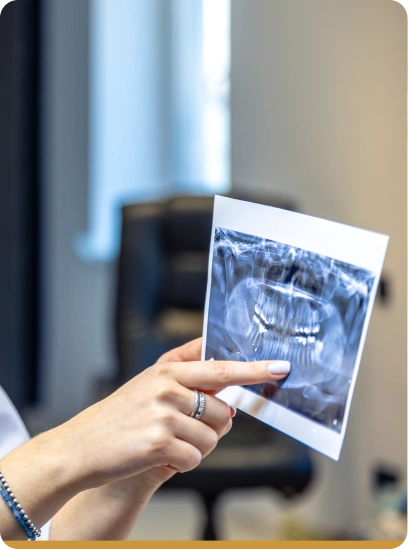
A proper assessment starts with an OPG scan to see what’s happening below the gumline and whether removal is the best option. If we need a closer look at the tooth’s position or its relationship to nearby nerves, we may recommend a CBCT scan to help assess the area and plan your removal safely. We’ll show you what we see and explain what happens next, so you know exactly where you stand.
If your tooth is fully visible above the gumline, a simple extraction may be all that’s needed. If it’s impacted, broken below the gumline or has more complex roots, surgical extraction may be required. This can involve making a small incision in the gum, removing a small amount of surrounding bone or dividing the tooth into sections so it can be removed safely.

Having a tooth removed probably isn’t high on your list of favourite things to do. We understand. That’s why we put just as much thought into how you’re looked after as we do the treatment itself.










Tooth extraction cost depends on the position of the tooth and whether a simple or surgical extraction is needed. Some wisdom teeth are relatively straightforward to remove, while impacted teeth or those with more complex roots can require more involved treatment.
We’ll assess your tooth first, chat through what’s involved and give you a clear breakdown of the costs before you decide whether to go ahead.
It’s completely understandable to worry about pain. Before we begin, we’ll use local anaesthetic to thoroughly numb the area and check you’re comfortable before treatment gets underway.
You can expect some soreness and swelling afterwards, particularly following surgical removal. We’ll talk you through how to manage this at home and what to do if something doesn’t feel quite right.
Everyone heals a little differently, and recovery will depend on things like how many teeth were removed and whether you had a simple or surgical extraction.
Some bleeding, swelling and tenderness are normal after treatment. Within a few days it should start to settle. Don’t be alarmed if you feel a little puffier before you feel better. You’ll need to take things easy initially, stick with softer foods and follow the aftercare instructions we give you.
We’ll let you know what to expect based on your treatment but in most cases complete healing takes a couple of weeks. Remember, Harpley Dental is here seven days a week if you’re recovering at home and something is worrying you.
Don’t wait it out if you’re in significant pain or have swelling around your wisdom tooth. Give us a call so we can assess what’s causing the problem and what treatment you need.
If you’re searching for emergency wisdom tooth removal near me, it’s worth remembering that pain doesn’t automatically mean the tooth needs to come out that day. We’ll assess the area first and recommend the most appropriate way to get things under control.
No. And simply having wisdom teeth doesn’t mean they will need to come out.
Your wisdom tooth dentist in Harpley will assess how your teeth are positioned, whether they’re causing problems and what’s happening around them. If they’re healthy and not causing concern, removal may not be necessary. If we do recommend taking one out, we’ll show you why.
That depends on what’s going on with the tooth. A troublesome wisdom tooth can potentially lead to recurring pain or infection, decay, gum problems or issues with the neighbouring tooth.
Ignoring the problem usually won’t make it disappear. If your wisdom tooth is giving you trouble, come in and let us take a look. We can work out what’s happening and whether removal is actually needed.
They can be in some cases, but that doesn’t mean everyone needs all four removed.
We’ll assess each wisdom tooth individually and talk you through which ones, if any, need to come out. If several require removal, we can discuss whether treating them together or separately makes more sense for you.
Wisdom teeth generally don’t need to be replaced after removal. If you’ve had another tooth extracted, however, leaving a gap may not always be the best option.
Depending on the tooth, your oral health and what you’d prefer, replacement options may include a dental implant, bridge or denture. We can talk you through the pros and cons of each and help you decide what makes sense for you.

We’ll take a good look, explain what’s causing the trouble and talk you through your options. If the tooth does need to come out, we’ll keep you comfortable and take things at your pace.